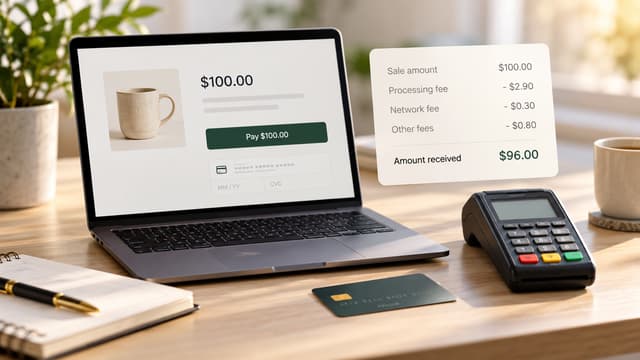
What Does a $100 Online Payment Actually Cost a Business?
A $100 online sale rarely puts $100 in a business's account. See how processing fees work, what Stripe, PayPal and Square charge, and where the money goes.
The stories, science, and small details behind the things we use every day.
A $100 online sale rarely puts $100 in a business's account. See how processing fees work, what Stripe, PayPal and Square charge, and where the money goes.
Homemade ice cream can be perfect from the machine and nearly impossible to scoop the next day. The difference comes down to unfrozen water, sugar, air, ice crystals and structure.
Five gaps separate the six strings of a standard guitar, but only one is different. Here is why the B string breaks the pattern in EADGBE tuning.
Most tuners treat A = 440 Hz as a fact of nature. It is not. The number emerged from centuries of competing pitches, national standards, radio broadcasts and international agreements.
33 articles in total
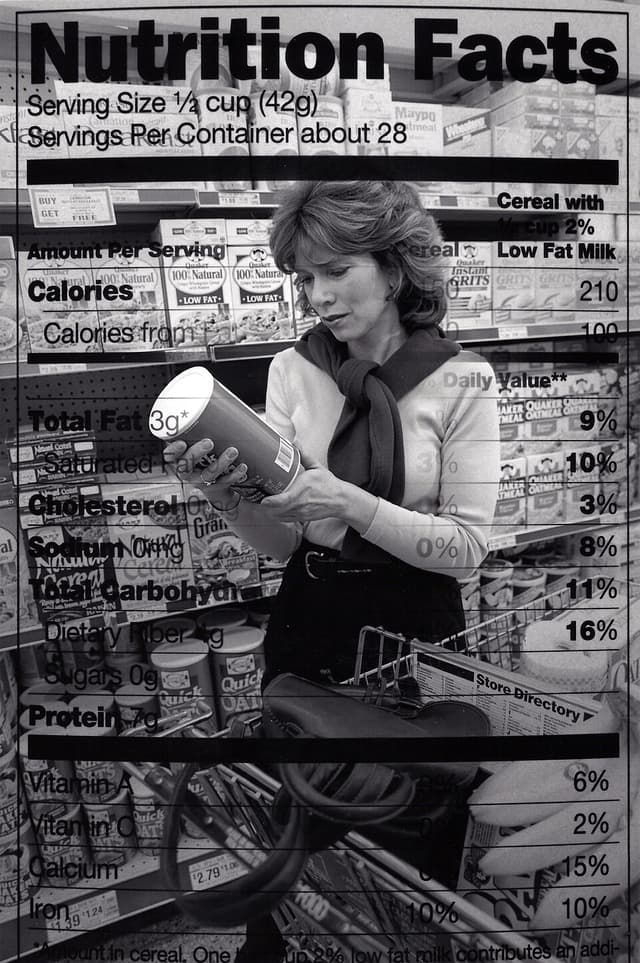
Multiply protein and carbs by 4 and fat by 9, and sometimes the calories still do not match the label. Rounding is only part of the reason.
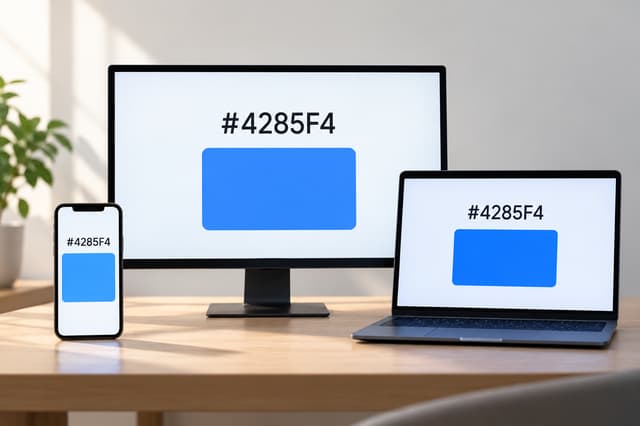
The same HEX color can look noticeably different on two screens. Here is what sRGB, display profiles, calibration and your surroundings have to do with it.
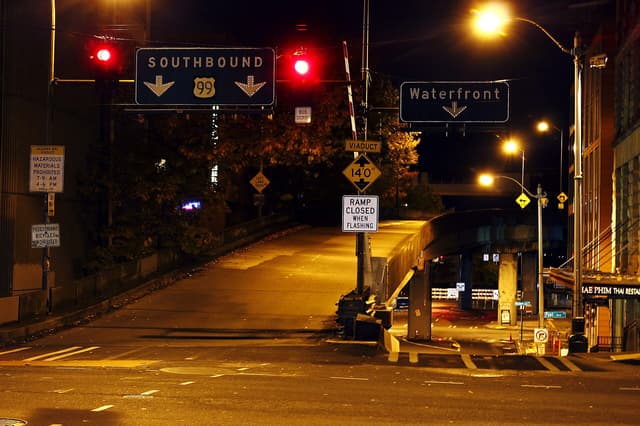
Most road signs do not produce their own light. Microscopic glass beads or prisms send your headlights back toward you, making the sign appear to glow in the dark.
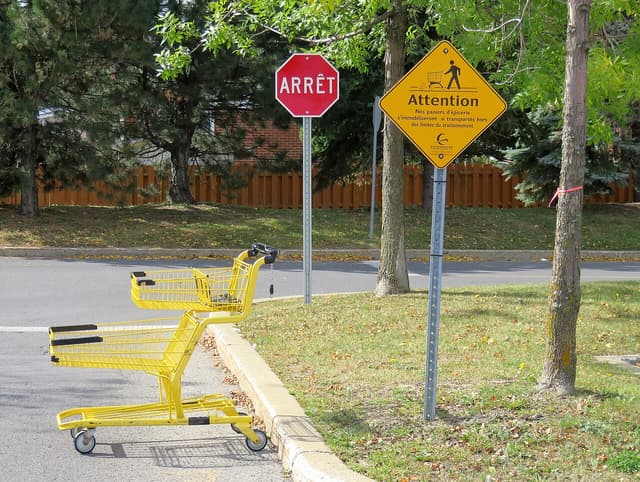
Some shopping carts can suddenly lock at the edge of a parking lot. The wheel usually is not using GPS. It is detecting an invisible boundary built into the property.
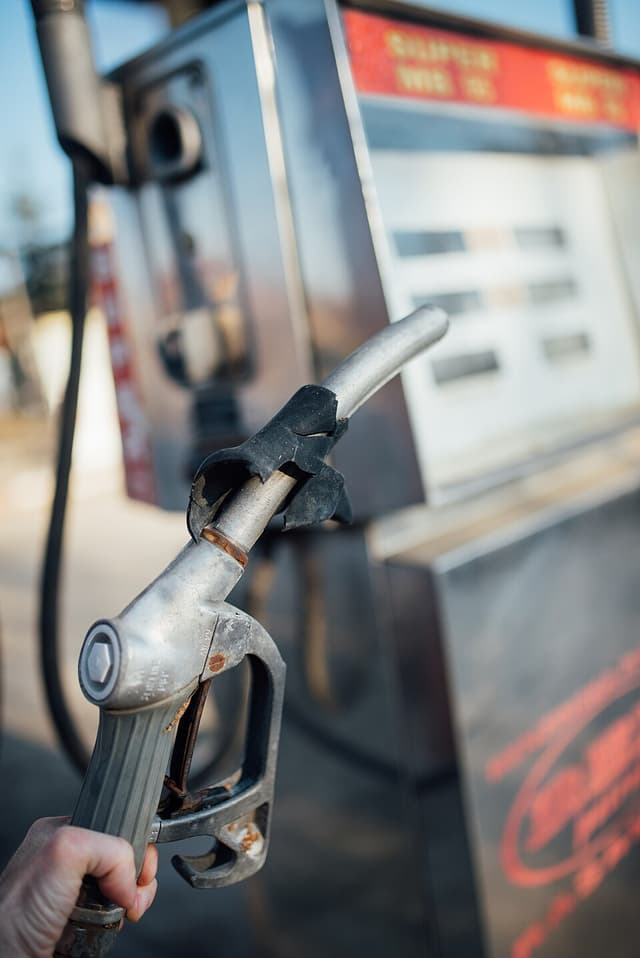
A gas pump does not communicate with your car or measure the tank directly. A tiny hole near the nozzle tip, a pressure difference and a mechanical valve make the familiar click happen automatically.
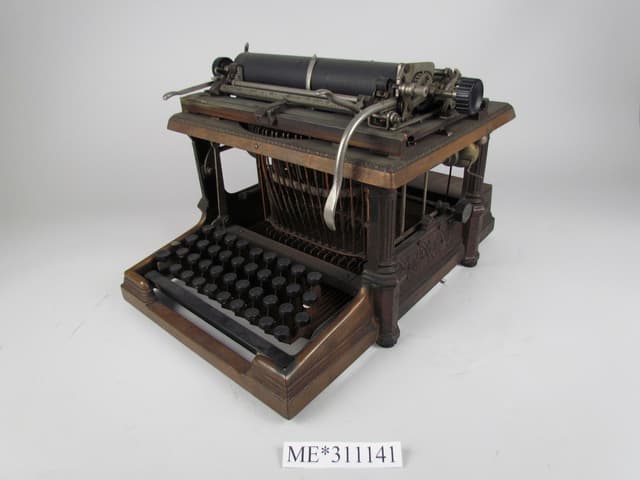
Computer keyboards still use QWERTY instead of ABC order. The layout grew out of early typewriters, but the familiar story that it was designed simply to slow typists down is incomplete.
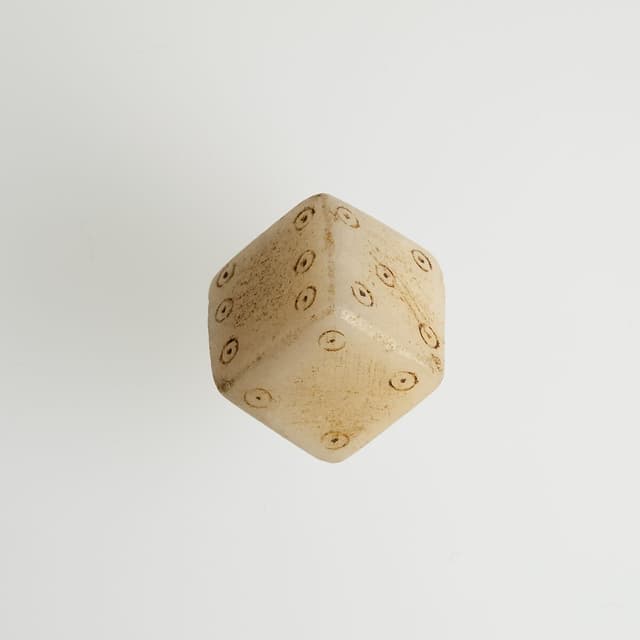
On a standard six-sided die, 1 faces 6, 2 faces 5, and 3 faces 4. The pattern is ancient, but it is a numbering convention rather than a requirement for fair dice.
Why does a minute have 60 seconds instead of 100? The answer runs from ancient astronomy and base-60 mathematics to French decimal clocks and the modern atomic second.
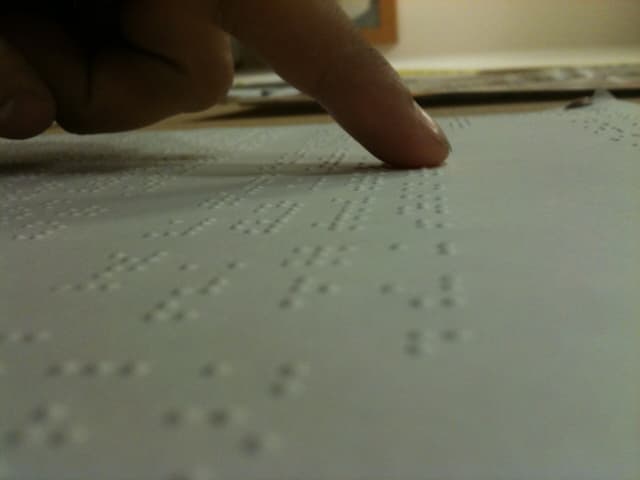
In Braille, the digits 1 through 0 use the same dot patterns as the letters A through J. A numeric indicator tells the reader when those cells should be read as numbers.
Changing photo.png to photo.jpg changes the filename, not the image inside. Here is how computers identify a file's real format and why mismatched files sometimes fail to upload.
Car tires use psi, weather forecasts use hPa, blood pressure uses mmHg, and scientists use pascals. Why does one measurement have so many units?
The 4 on a calculator can look very different from the one you write by hand. The reason comes from the seven straight segments used to build digital numbers.
Many websites still require uppercase letters, numbers and symbols in passwords even though modern security guidance has moved away from rigid complexity rules. Here is why.
Salary calculators often use 2,080 hours for a full-time work year. Here is where that number comes from, when it is useful, and why actual yearly work hours can be very different.
Some loans calculate interest using 360 days even though a calendar year has 365 or 366. The reason lies in financial day-count conventions such as 30/360 and Actual/360.
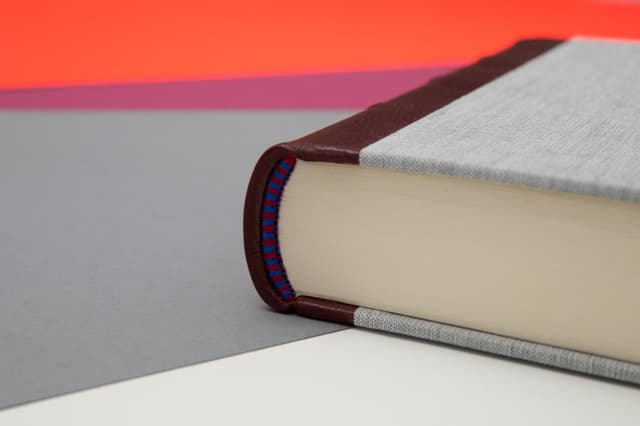
The small colored band at the top of a hardcover book is called a headband. Today it is often decorative, but older versions were sewn into the binding and helped reinforce the book.
How much water does AI use? See how much water one AI prompt can use, where it goes, how AI affects the environment, and what can reduce its footprint.
Why can equivalent JSON produce different SHA-256 hashes? See how whitespace, key order, line endings, serialization, and JSON canonicalization change the bytes being hashed.
Why does your mortgage balance fall so slowly at first? Learn how principal, interest, and amortization split each payment and change over time.
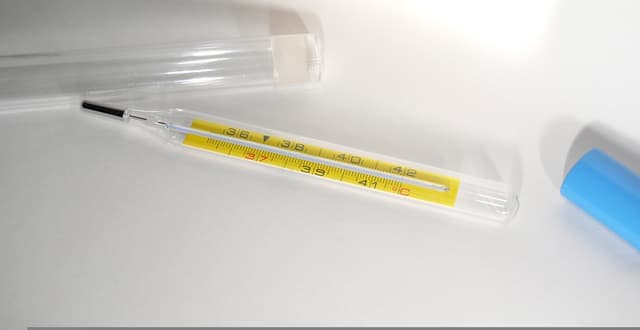
Why does Fahrenheit use 32 degrees for freezing and 212 for boiling? The strange numbers make more sense once you understand the history of thermometers.
Why American recipes use cups, tablespoons and teaspoons instead of weighing ingredients in grams and how standardized measurements changed cooking.
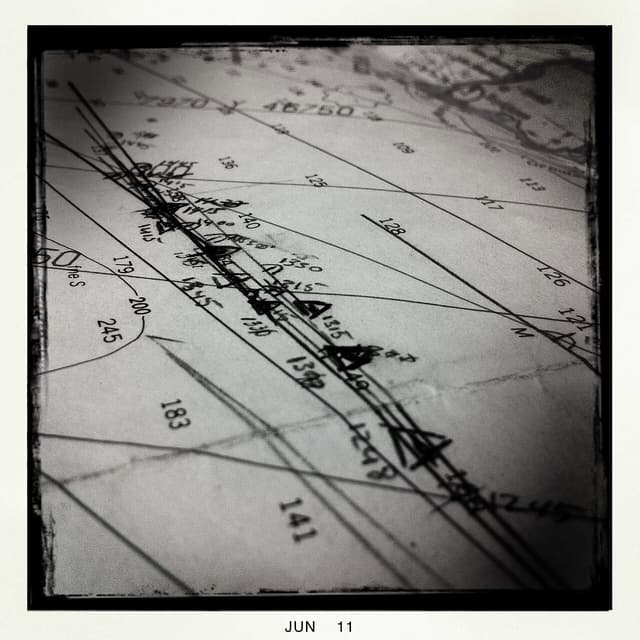
Why is a nautical mile exactly 1,852 metres? The answer reaches from Earth's geometry and old navigation charts to modern ships, aircraft, and knots.
A US gallon and an Imperial gallon are not the same size. Here's why America kept the older gallon while Britain replaced its own in 1824.
Change one character and a SHA-256 hash can look completely unrelated. Here is what happens inside the algorithm, from bytes and message blocks to 64 rounds of mathematical mixing.
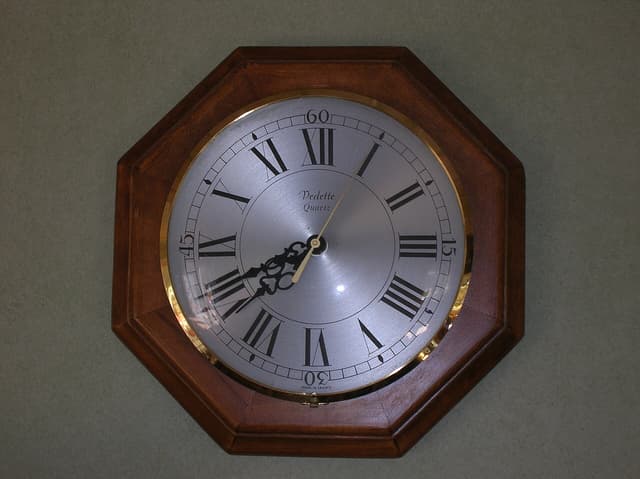
Why do clocks use IIII instead of IV for 4? Learn what the clockmaker's four means, its history, and why no single explanation has been proven.
Braille uses a shared tactile framework around the world, but the rules that give its patterns meaning can vary by language, country, and subject. Here's why.
A coin toss looks like pure chance. But 350,757 real flips revealed a small physical bias. Here's what the experiment found and why heads is still essentially 50/50.
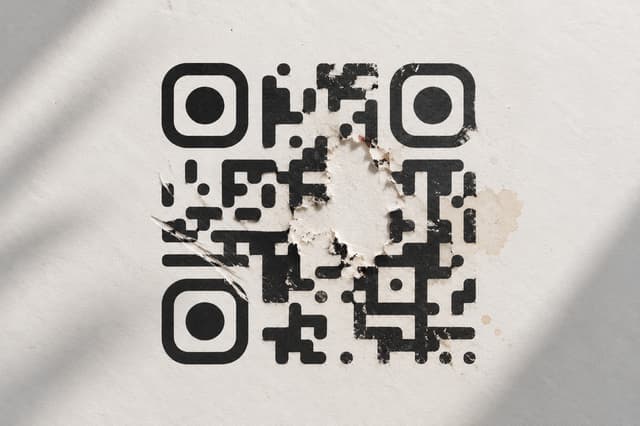
A QR code can survive scratches, stains, missing modules, and even a logo. Here is how finder patterns, masking, Reed-Solomon error correction, and carefully engineered redundancy make it possible.
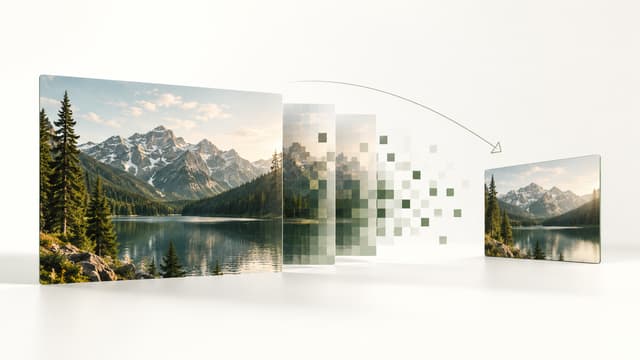
Why do images need compression? Learn how lossless and lossy compression reduce file size, how JPEG and PNG work, and why WebP and AVIF followed.