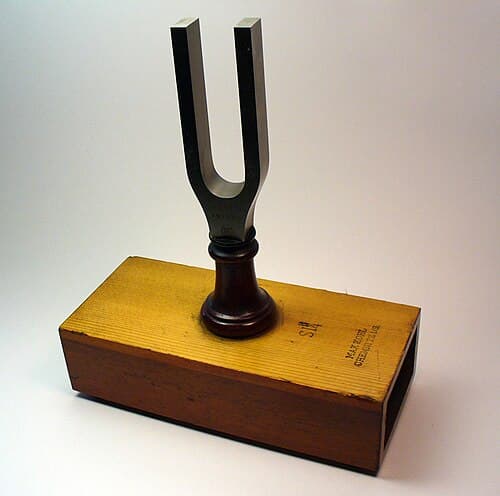
Who Decided That A = 440 Hz?
Most tuners treat A = 440 Hz as a fact of nature. It is not. The number emerged from centuries of competing pitches, national standards, radio broadcasts and international agreements.
The stories, science, and small details behind the things we use every day.
11 articles
Most tuners treat A = 440 Hz as a fact of nature. It is not. The number emerged from centuries of competing pitches, national standards, radio broadcasts and international agreements.
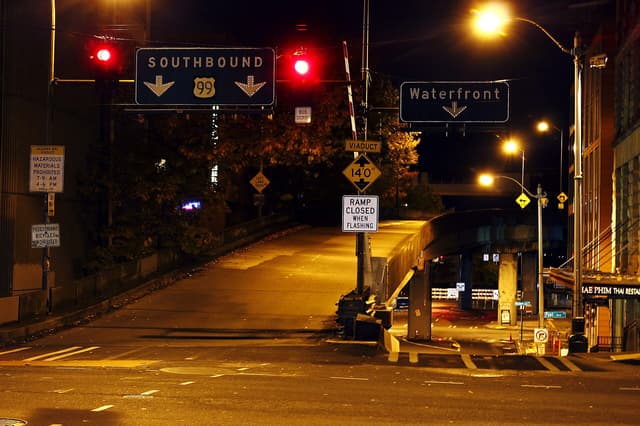
Most road signs do not produce their own light. Microscopic glass beads or prisms send your headlights back toward you, making the sign appear to glow in the dark.
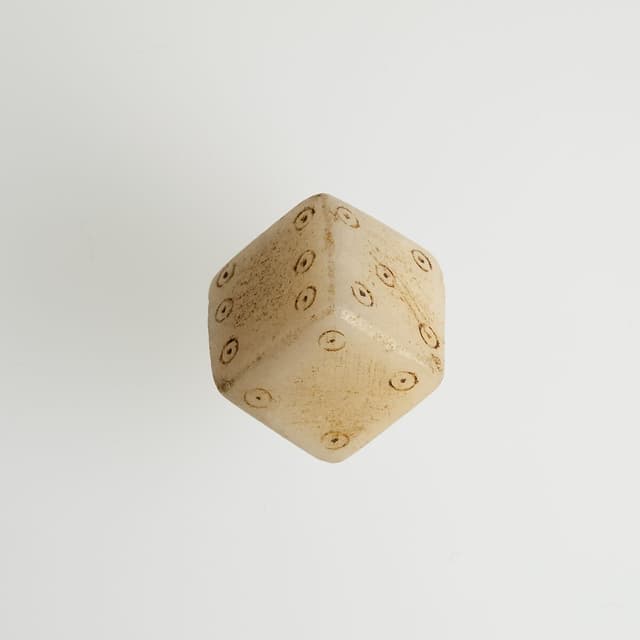
On a standard six-sided die, 1 faces 6, 2 faces 5, and 3 faces 4. The pattern is ancient, but it is a numbering convention rather than a requirement for fair dice.
Why does a minute have 60 seconds instead of 100? The answer runs from ancient astronomy and base-60 mathematics to French decimal clocks and the modern atomic second.
Car tires use psi, weather forecasts use hPa, blood pressure uses mmHg, and scientists use pascals. Why does one measurement have so many units?
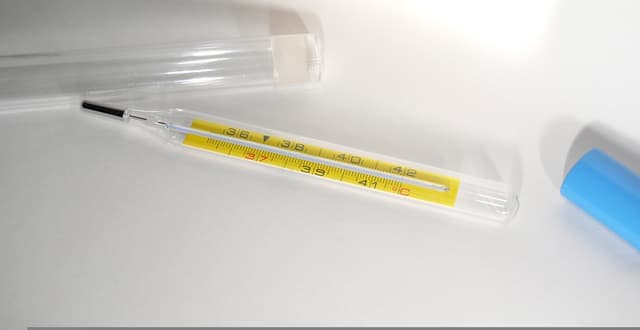
Why does Fahrenheit use 32 degrees for freezing and 212 for boiling? The strange numbers make more sense once you understand the history of thermometers.
Why American recipes use cups, tablespoons and teaspoons instead of weighing ingredients in grams and how standardized measurements changed cooking.
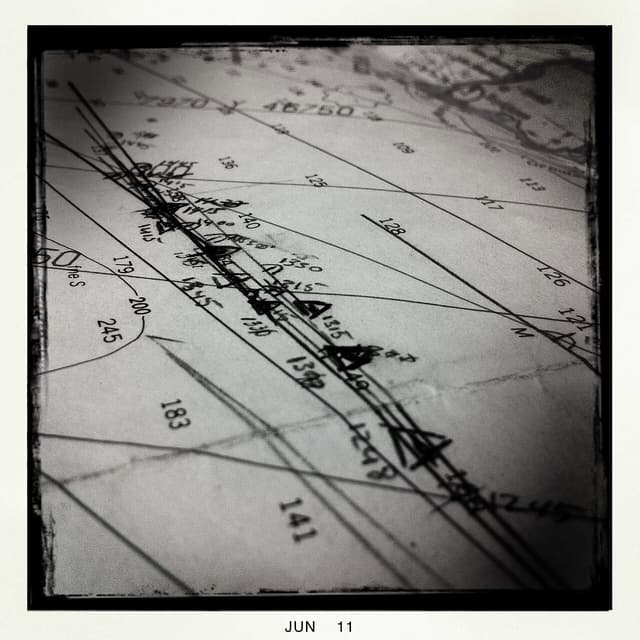
Why is a nautical mile exactly 1,852 metres? The answer reaches from Earth's geometry and old navigation charts to modern ships, aircraft, and knots.
A US gallon and an Imperial gallon are not the same size. Here's why America kept the older gallon while Britain replaced its own in 1824.
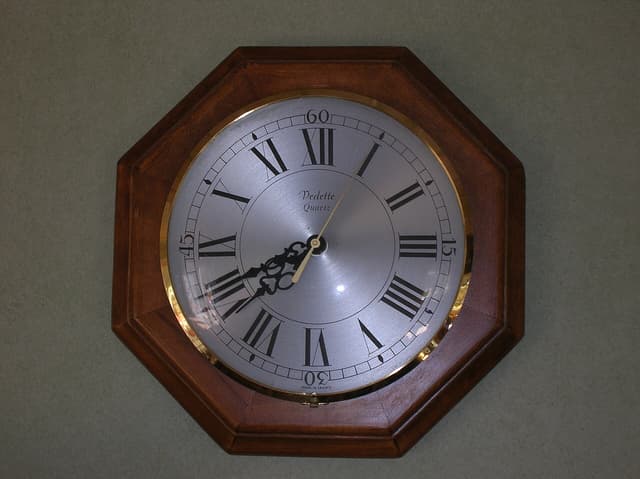
Why do clocks use IIII instead of IV for 4? Learn what the clockmaker's four means, its history, and why no single explanation has been proven.
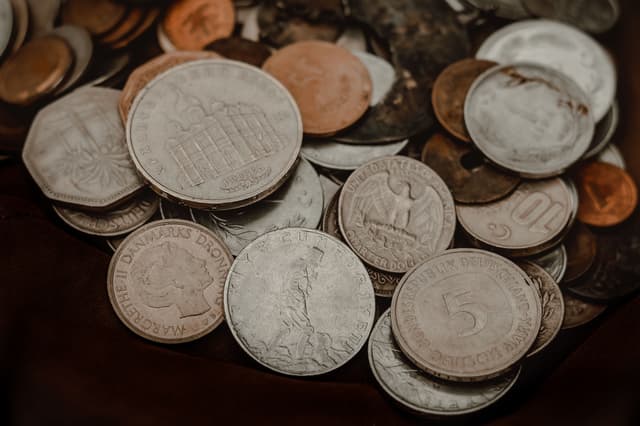
A coin toss looks like pure chance. But 350,757 real flips revealed a small physical bias. Here's what the experiment found and why heads is still essentially 50/50.